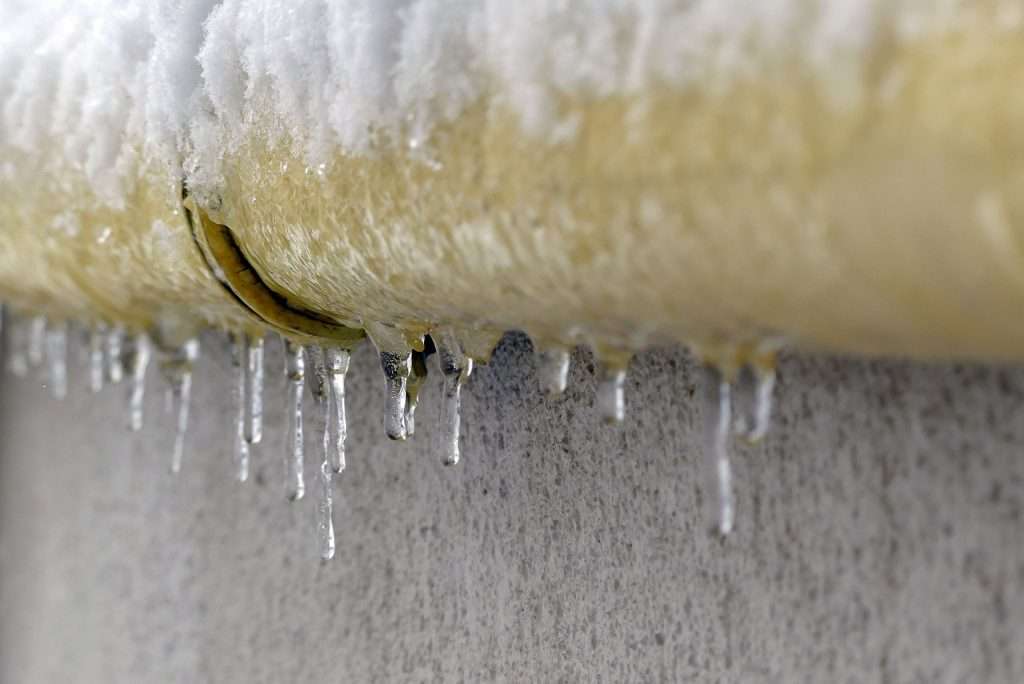
Key Takeaway: Winter conditions can loosen mineral scale and disturb protective pipe layers, allowing lead or other metals to enter household water. Regular professional testing reveals these hidden contaminants and guides appropriate treatment choices. Testing first ensures that any filtration or conditioning system is properly matched to your home’s real winter water challenges. Why Winter Water Quality Deserves Fresh Attention Winter doesn’t just change the air outside—it can change what happens inside your plumbing. When temperatures drop, pipes and fittings contract. When they warm again, they expand. Those freeze–thaw shifts, paired with pressure swings in local water systems, can loosen mineral scale, rust, and other buildup that’s been sitting quietly inside plumbing for years. That matters because the water leaving a utility or well source can be treated and compliant, yet still pick up particles and metals as it travels through service lines and household pipes. In winter, that “last stretch” of the journey can become more active. Protective scale layers may flake, sediment can stir up, and in older plumbing materials, trace metals like lead can show up at the tap—sometimes without obvious warning signs. Pure water doesn’t exist in nature. Water always carries minerals and other substances from its source and from whatever it flows through. If you want to make confident treatment decisions, start with the fundamentals: learn what’s in your water now, then choose solutions that match your home’s real conditions. If you’re building your baseline knowledge, these water education resources are a helpful starting point. How Cold Weather Can Disturb “Protective” Pipe Layers Many older metal pipes develop a thin internal layer of mineral scale over time. In some situations, that layer can act like a barrier, reducing direct contact between water and the pipe material. Winter stress can disrupt that layer. As pipes shift through cold nights and warmer afternoons, tiny movements at joints and fittings may break loose bits of scale and send them downstream. Pressure changes can make this worse. Hydrant use, main breaks, sudden valve closures, or repair work during winter can create short bursts of turbulence that dislodge settled particles. If a home has older components—lead service lines, lead solder, or some older brass fixtures—those disturbances may increase the chance that metals appear at the tap. This is one reason lead concerns can show up “seasonally.” even when the source water looks fine. Water chemistry also plays a role. pH, alkalinity, and disinfectant type can influence how stable these pipe layers remain. Stagnant water sitting overnight (or during a vacation) can increase contact time with plumbing materials, which may raise the likelihood of metal leaching in certain conditions. Because these factors vary house to house, there’s never a one-size-fits-all fix—testing is the smart first move. Winter Events That Can Change What Comes Out of the Tap Some winter water quality shifts happen slowly, while others happen after a specific event. Homeowners often notice changes after: A freeze or partial freeze that affects interior plumbing or exterior-facing runs Neighborhood main breaks and subsequent repairs Hydrant flushing or water system maintenance near your street Sudden pressure drops that cause sediment to move through service lines These events can lead to cloudy water, small particles, or discoloration. That doesn’t automatically mean the water is unsafe—but it does mean it’s worth verifying what changed. If you’re seeing odd color or grit, avoid guessing. Get data first, then decide what (if anything) needs to change. Testing First: The Only Way to Treat the Right Problem If winter stirs up hidden contaminants, the solution isn’t automatically “buy a filter.” The solution is: test → interpret → treat based on results. That approach prevents wasted money on the wrong equipment and helps ensure any system you install is sized and selected for your actual water conditions. A professional test can help you understand factors such as: Metals (lead, copper, iron, manganese) Hardness minerals (calcium, magnesium) Sediment and turbidity (particles that affect clarity and filters) pH/alkalinity (how corrosive or scale-forming water may be) Disinfectant residuals (chlorine/chloramine, if applicable) If you’re ready to start with facts, professional water testing gives you a clear baseline. From there, you can choose treatment that matches your goals—whether that’s improving drinking water protection, reducing winter sediment, or improving whole-home comfort. POU vs. POE: Where Protection Matters Most Two common strategies are point-of-use (POU) and point-of-entry (POE) treatment. They solve different problems: Point-of-Use: Protect drinking and cooking water POU systems treat water right where you consume it—typically at the kitchen sink. This approach is ideal for concerns like lead or other dissolved contaminants that you want to reduce for drinking, cooking, and ice. Point-of-Entry: Improve water for the whole home POE systems treat water as it enters the house, which can help with sediment, chlorine-related taste/odor, and overall water experience in showers, laundry, and appliances. Many households use POE to protect plumbing and improve comfort, then add POU for targeted drinking water protection. If you’re deciding between setups, it helps to review whole-house filtration details and compare those benefits to under-sink protection where it matters most. Hardness vs. Safety: Different Goals, Different Tools It’s important to separate safety concerns from comfort and efficiency concerns. Hard water (calcium and magnesium) is not typically a safety issue, and it doesn’t necessarily change taste or odor. But it can create scale on fixtures and inside water-using appliances, lowering efficiency over time. If your winter issues are mainly about cloudy water or particles after repairs, a sediment-focused approach may help. If your test shows high hardness that’s affecting appliances and cleaning, softening or conditioning may be appropriate. If your concern is lead at the tap, prioritize certified drinking-water filtration where you consume water most. Certification, Sizing, and Maintenance: The Details That Make Systems Work Even the best system can underperform if it’s the wrong size, installed incorrectly, or poorly maintained. Winter is when those weak points show up—especially if sediment loads increase after a main break or freeze. Choose certified components that match the contaminants you need
Key Takeaway: Conscious consumer water filtration means choosing water solutions intentionally—based on your family’s wellness goals and your environmental values. The smartest first step is professional water testing, which helps you select a system that improves comfort, reduces waste, and supports long-term sustainability. When filtration is tailored to your home’s real water conditions, families often see meaningful improvements in daily living while also cutting back on single-use plastic and unnecessary upgrades. Empowering Families Through Conscious Water Choices More families are paying closer attention to what enters their homes—especially what they drink, cook with, and bathe in. That shift has helped popularize conscious consumer water filtration, an approach focused on making informed, value-aligned choices instead of buying the first filter that looks appealing. For wellness-minded households, filtration isn’t just about “clean water.” It’s about supporting routines that feel healthier, easier, and more consistent. This is where family wellness water comes in. Water affects daily life in small but noticeable ways—how soap rinses, how laundry feels, how dishes dry, and whether your family reaches for another glass without hesitation. Many households also view filtration as a practical sustainability measure: improving tap water quality can reduce reliance on bottled water and the associated waste. In this guide, we’ll break down what conscious filtration looks like in real life, why testing matters, how to compare whole-house vs. point-of-use solutions, and what questions thoughtful homeowners ask before installing a system. Why Water Filtration Appeals to the Mindful Modern Family Wellness is no longer limited to food and fitness. Families now connect wellness to everyday home systems—air quality, cleaning products, and especially water. Filtration can help reduce common irritants like chlorine taste and odor, sediment, or other issues that affect comfort and confidence at the tap. For parents focused on family wellness water, consistency is a big part of the appeal. When water quality varies (or when scale builds up, or fixtures stain more easily), daily routines become more frustrating. A well-matched system can improve the “feel” of water throughout the home, help appliances run cleaner, and make chores like washing dishes and laundry feel less like a battle. Families exploring options often start with education and household goals. Helpful background resources like clean water practices for families can clarify what filtration can (and can’t) do—especially when your priorities include both wellness and sustainability. The Role of Sustainable Hydration in Eco-Conscious Households Eco-minded households often aim to reduce single-use plastics without sacrificing convenience. That’s where sustainable hydration becomes practical: instead of buying cases of bottled water, families invest in reliable filtration that improves drinking water quality at home. The result is fewer bottles, fewer recycling headaches, and a smaller footprint. Conscious consumerism also means choosing solutions that reduce waste over time—systems with appropriate capacity, long-lasting media, and maintenance schedules that match real usage (not guesswork). Some families also value companies that support environmental stewardship, such as efforts highlighted through national forest conservation initiatives. When filtration supports both comfort and sustainability, it becomes less of a “product” and more of a daily habit that aligns with how your family wants to live. Key Facts About Conscious Consumer Water Filtration Many families begin with a professional water test to understand what’s actually in their water before choosing a system. Whole-house systems treat water at the point of entry and can improve bathing, laundry, and appliance performance—learn more in this whole-house filtration overview. Point-of-use systems focus on specific faucets (often kitchen sinks) and are useful when drinking/cooking water is the top priority. Reducing bottled water consumption is one of the biggest sustainability wins for many households, supporting sustainable hydration with fewer single-use plastics. Real-world outcomes vary, but many families describe noticeable differences in comfort and convenience in customer testimonials. Because water profiles differ by region, localized insights (like regional water testing data) help explain why customization matters. There is no one-size-fits-all system—household size, plumbing layout, and water chemistry should drive the recommendation. Understanding What’s Really in Your Water If conscious filtration has one “non-negotiable,” it’s this: test first. Water can look clear and still carry issues that affect taste, odor, scaling, or long-term appliance performance. Water quality also varies by neighborhood and season, influenced by water sources, treatment methods, and aging plumbing. That’s why professional water testing is a smart foundation. Testing helps you avoid overbuying, under-treating, or choosing equipment that doesn’t match your actual goals. It also helps clarify whether your needs are primarily aesthetic (taste/odor), comfort-related (hardness), or related to specific contaminants. For wellness-forward households, testing turns a vague “we want better water” into a clear plan that can be sized and maintained responsibly. Whole-House vs. Point-of-Use: Choosing What Fits Your Lifestyle After testing, the next decision is where to treat the water. Whole-house (point-of-entry) filtration treats water as it enters your home—supporting every sink, shower, and appliance. Point-of-use filtration targets specific fixtures (often under-sink systems for drinking and cooking water). Whole-house systems can be a strong fit for families who want consistent water quality throughout the home—especially for bathing, laundry, and protecting appliances. Point-of-use systems are often ideal when the main priority is drinking water quality without treating the entire supply. For a deeper comparison of home-wide approaches, this guide to whole-house water filtration can help clarify what different system types are designed to address. Real People, Real Results: What Families Often Notice Results depend on your water profile, but households that install properly matched filtration often report improvements that show up in everyday routines: Better taste and fewer odors at the tap Less buildup on fixtures and shower doors Smoother-feeling water for bathing and handwashing Cleaner laundry and less soap usage in some cases Reduced reliance on bottled water for daily hydration Many families share these “small wins” in testimonials, emphasizing that the biggest value often comes from consistency—knowing what to expect every day, at every faucet. FAQs About Conscious Consumer Water Filtration These are common questions families ask when choosing filtration solutions that align with wellness and sustainability goals. What’s the best first