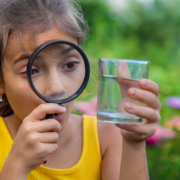
The child examines a glass of water with a magnifying glass.

Water Education for Kids: How Families Build Healthy, Sustainable Hydration Habits at Home

Key Takeaway:

Water education for kids helps families turn everyday habits into meaningful lessons about health, responsibility, and sustainability. By testing water, explaining where it comes from, and involving children in daily routines, parents can build lifelong awareness while supporting better hydration and smarter home decisions.

Water education for kids starts with simple moments—filling a glass, refilling a bottle, or asking where water comes from. These small questions open the door to bigger conversations about health, home systems, and the environment. When families take time to explore what’s in their water and how it reaches their tap, children begin to understand that water is not just something they use—it’s something they can care about.

In everyday life, water travels through natural sources and infrastructure before arriving at home. Along the way, it can pick up minerals and other substances. That does not mean something is wrong—it simply reflects how water moves through the world. Helping kids understand this early builds confidence instead of confusion and makes it easier to talk about why testing and treatment may sometimes be needed.

Families looking to make learning interactive often start with water education resources for kids that turn science into hands-on discovery and curiosity-driven learning.

Quick Facts About Water Education for Kids
Water naturally contains minerals picked up from the environment—this is normal and expected.
Teaching kids about water builds confidence and reduces fear around unfamiliar concepts.
Simple routines like refilling bottles and turning off taps create lasting habits.
Testing water helps families make informed decisions instead of guessing.
Learning together as a family strengthens both knowledge and everyday routines.

How Do You Teach Kids About Water at Home?

You teach kids about water at home by connecting everyday actions—like drinking, cleaning, and refilling bottles—to simple explanations about where water comes from and how it’s used.

Children learn best when concepts are tied to what they already experience. Instead of introducing water as a complex science topic, parents can start with daily routines. When a child fills a glass, that’s a chance to explain how water travels through pipes. When dishes dry with spots, that can lead to a conversation about minerals.

Many families find that combining discussion with simple activities makes learning stick. Observing water in a clear glass, noticing changes over time, or comparing filtered vs unfiltered water can turn curiosity into understanding.

Important: The goal of water education is not to create concern—it’s to build understanding. When kids see water as something to learn about instead of worry about, they develop confidence and curiosity.

Why Is Water Education Important for Children?

Water education is important for children because it helps them build awareness, responsibility, and healthy habits that carry into adulthood.

Kids who understand water early are more likely to value it. They begin to see connections between their actions and their environment—like turning off the tap while brushing or choosing reusable bottles instead of single-use plastics.

These lessons also support better hydration habits. When children feel confident about their water, they are more likely to drink it regularly. That confidence often starts with understanding and grows through consistent routines at home.

Turn Curiosity Into Action: Test Water Together as a Family

Testing water together is one of the most effective ways to turn curiosity into real understanding.

When families review results or observe changes in water, children begin to connect science with daily life. Instead of abstract concepts, they see real examples of how water behaves in their home. Many families choose to schedule professional water testing so they can explore accurate results together and make informed decisions.

This process also reinforces an important lesson: understanding comes before action. Testing helps families avoid guessing and shows kids how information leads to better choices.

Pro Tip: Let kids help track observations—like spotting buildup or changes in taste. Writing things down turns learning into a fun and memorable activity.

Simple Water Activities Kids Actually Enjoy

Simple, hands-on activities make water education engaging and easy to understand.

Families can try:

  • Letting water sit in a clear container to observe changes
  • Tracking daily water intake with a refill chart
  • Comparing how water behaves with soap in different conditions
  • Creating a “refill station” at home for reusable bottles

These activities help children connect their actions to outcomes. Instead of memorizing facts, they experience them firsthand.

Note: The most effective learning happens through repetition. Small daily habits often teach more than one-time lessons.

Understanding Home Water Systems in Kid-Friendly Terms

Home water systems can be explained to kids by breaking them into simple ideas like “whole-home” and “drinking water” treatment.

For example, some systems treat all the water entering the home, while others focus on specific taps like the kitchen sink. Each serves a different purpose. Explaining these differences helps children understand why families make certain choices.

Families exploring options can review home water treatment systems to better understand how different solutions support everyday routines.

Local Authority: Water Education and Family Hydration in Colorado Communities

Water education can look different depending on where a family lives. In Colorado communities, water sources often include both municipal systems and groundwater, each with unique characteristics influenced by geography and climate.

Families across Colorado may notice differences in mineral content, seasonal changes, or water availability. These local factors make it even more important to understand how water behaves at home. Learning within a local context helps children connect their daily habits to the environment around them.

Working with local experts and exploring resources tailored to your area helps ensure that water education is both accurate and meaningful for your family’s needs.

Frequently Asked Questions About Water Education for Kids

How do I explain water quality to young children?

Start with simple ideas like where water comes from and how it travels. Use everyday examples and avoid overwhelming details.

Should kids be involved in water testing?

Yes, involving kids makes learning more engaging and helps them connect science to real-life experiences.

Do water habits really impact the environment?

Yes, small daily habits like reducing waste and conserving water can add up to meaningful environmental impact over time.

What is the best age to start teaching water education?

Water education can begin as early as preschool through simple routines and observations.

Do we need a water system to teach kids about water?

No, education can start with everyday habits and simple explanations. Systems are just one part of the conversation.

Building Lifelong Water Awareness Starts at Home

Water education for kids is not about mastering science—it’s about building awareness through everyday life. When families turn simple habits into learning moments, children grow up understanding how water supports their health, their home, and the environment.

By starting with curiosity, reinforcing routines, and making learning interactive, parents can help children develop confidence and responsibility that lasts well beyond childhood. These small, consistent actions create a foundation for healthier, more sustainable living.

Further Reading & References

White Blossoms And Sunlight In The Sky

Spring Thaw and Agricultural Runoff: Smart Steps to Protect Your Family’s Water

Key Takeaway:

Spring thaw and agricultural runoff can carry fertilizers, bacteria, and sediment into private wells and local water systems, affecting water quality for nearby homes. Regular professional water testing during early spring helps families detect these seasonal changes and choose the right treatment to keep their water safe and dependable. Acting early with expert guidance ensures your home’s water stays clean, reliable, and ready for everyday use.

Spring thaw and agricultural runoff are two of the biggest seasonal factors that can impact your home’s water quality—especially if you rely on a private well or live near farmland. As snow melts and spring rain begins, water moves across the land, carrying nutrients, bacteria, and sediment into groundwater sources. These changes are often invisible, but they can influence what flows from your tap.

For homeowners focused on protecting their drinking water, early spring is the most important time to test and evaluate water conditions. Runoff events can introduce nitrates from fertilizers, bacteria from animal waste, and fine particles that affect clarity. According to the EPA’s private well guidance, regular testing is essential for identifying seasonal changes and maintaining safe water at home.

Spring runoff can increase nitrates and bacteria in well water, especially near agricultural land.
Water may look clear but still contain contaminants, making testing essential.
Early-season testing provides a baseline to guide treatment decisions throughout the year.

How Does Spring Thaw Affect Well Water?

Spring thaw increases the movement of surface contaminants into groundwater, which can temporarily change well water quality.

As snow melts and rain saturates the ground, water flows across fields and soil surfaces, picking up fertilizers, organic waste, and sediment. This runoff can seep into shallow aquifers that supply private wells. Homes near agricultural areas are especially vulnerable, as nutrients like nitrates move easily through soil.

Even municipal systems can experience seasonal adjustments during heavy runoff, though they are treated and monitored. For homeowners using private wells, however, these natural changes can directly affect water at the tap.

Important: Spring runoff does not always make water unsafe, but it can introduce changes that require testing and monitoring. Never assume water quality based on appearance alone.

What Contaminants Are Common During Agricultural Runoff?

The most common contaminants during spring runoff include nitrates, bacteria, sediment, and agricultural chemicals.

Nitrates and nitrites often increase due to fertilizer use, while bacteria like coliform and E. coli can enter water sources through manure runoff. Sediment from soil erosion raises turbidity, making water appear cloudy or leaving residue in fixtures.

Some homeowners may also notice earthy odors or slight changes in taste during peak runoff periods. These are often caused by natural organic matter rather than harmful substances, but they still indicate changing conditions in your water supply.

Helpful Tip: If your water suddenly looks cloudy, smells different, or leaves more residue than usual after snowmelt, it’s a strong signal to schedule a professional water test right away.

Why Spring Water Testing Matters Most

Spring is the best time to test your water because runoff events create the greatest seasonal changes.

Testing during early thaw provides a snapshot of how your water responds to environmental conditions. This helps identify temporary spikes in nitrates, bacteria, or sediment before they settle later in the year.

Professional testing services like water testing can analyze multiple parameters at once, giving you a complete understanding of your water quality. Retesting after heavy rain or flooding can also help track changes and confirm that your system is performing properly.

What Should You Test for in Spring?

Homeowners should test for nitrates, bacteria, turbidity, and key chemical indicators during spring runoff.

A well-rounded test panel often includes nitrate and nitrite levels, total coliform bacteria, E. coli, turbidity, and pH. In agricultural areas, pesticide and herbicide screening may also be recommended.

Using professional testing services ensures accurate results and expert interpretation. This step is critical before choosing any treatment system, as it prevents unnecessary or mismatched solutions.

Pro Tip: Always test your water before installing filtration or treatment equipment. Proper sizing and system selection depend entirely on accurate test results.

Choosing the Right Water Treatment for Seasonal Changes

The best treatment system depends on what your water test reveals.

Reverse osmosis systems can reduce many dissolved substances like nitrates, while UV systems help address bacteria. Sediment filters improve clarity by removing particles stirred up during runoff, and carbon filters can reduce certain organic compounds and odors.

Homeowners exploring water treatment systems should consider a combination approach. Many homes benefit from both point-of-entry systems for whole-house protection and point-of-use systems for drinking water.

Local Water Considerations for Agricultural Regions

Homes in rural and agricultural areas face unique water challenges during spring thaw.

Across regions like Colorado and other farming communities, runoff patterns vary based on soil type, elevation, and weather conditions. Homes with shallow wells or those located downhill from fields may experience more noticeable changes in water quality during heavy melt periods.

Local expertise matters. Understanding regional conditions helps homeowners choose the right testing schedule and treatment solutions. Accessing water education resources can also provide valuable insight into how seasonal changes affect your specific area.

Spring Water Protection Checklist for Homeowners

Protecting your water during spring runoff starts with a few simple, proactive steps.

  • Schedule a professional water test as snow begins to melt
  • Retest after heavy rainfall or flooding events
  • Inspect well caps and seals for damage
  • Monitor changes in water clarity, smell, or taste
  • Consult a professional before choosing treatment systems

These steps help ensure your water remains consistent and dependable throughout the season.

Spring Runoff and Water Safety: Common Questions

How often should I test my water during spring?

Most homeowners should test once in early spring and again after major runoff events like heavy rain or flooding. This helps track seasonal changes and ensures your water remains safe.

Can clear water still contain contaminants?

Yes, water can appear clear while still containing nitrates, bacteria, or dissolved chemicals. That’s why testing is essential, even if your water looks normal.

Does boiling water remove nitrates?

No, boiling does not remove nitrates and may actually increase their concentration. Proper filtration systems like reverse osmosis are needed to address nitrate concerns.

Are municipal water systems affected by runoff?

Municipal systems adjust treatment processes during runoff events, but water is still regulated and safe. However, testing at home can reveal how water interacts with your plumbing system.

Protecting Your Water Starts with Awareness

Spring thaw and agricultural runoff are natural seasonal events, but they can influence your home’s water in important ways. Understanding how these changes occur—and acting early—helps you stay ahead of potential issues.

Testing your water each spring gives you the clarity needed to make confident decisions. Whether it’s adjusting your current system or adding new treatment, informed choices lead to better performance and peace of mind.

With the right approach, your water can remain clean, consistent, and reliable no matter how conditions change outside. A little preparation each spring goes a long way toward protecting your family’s water all year long.

Further Reading & References

Illustration of PFAS “forever chemicals” represented as transparent water droplets labeled PFAS, symbolizing contamination in drinking water.

PFAS in Colorado Water: A Practical Guide for Families

Key Takeaway:

PFAS in Colorado water are persistent chemicals sometimes found in groundwater, reservoirs, and municipal supplies due to industrial processes and firefighting foam use. The most reliable way to understand potential exposure is through professional water testing. Once detected, properly designed filtration systems—such as activated carbon, anion exchange, or reverse osmosis—can drastically reduce PFAS levels in drinking water. With proper maintenance and periodic testing, families can maintain long-term water confidence at home.

PFAS in Colorado water have become an important topic for families who want to better understand their household water quality. PFAS, or per- and polyfluoroalkyl substances, are synthetic chemicals used for decades in products like firefighting foams, nonstick cookware, water-resistant fabrics, and certain industrial processes. Because these chemicals do not easily break down, they can persist in the environment for long periods of time.

In Colorado, where water sources range from mountain aquifers to municipal reservoirs, PFAS presence can vary by region. Some communities may never encounter these compounds, while others near industrial areas or historical firefighting training sites may experience measurable levels. Understanding how PFAS enter water systems and how to address them helps homeowners make informed decisions for their families.

Testing is the most reliable starting point. Professional water testing helps determine whether PFAS are present and what concentrations may exist. From there, households can evaluate filtration strategies that align with their water usage and plumbing layout. Colorado homeowners often begin by exploring evidence-based water education resources to better understand how local water conditions influence treatment decisions.

Quick Facts About PFAS in Colorado Water
PFAS are sometimes called “forever chemicals” because they do not naturally break down in the environment.
These compounds may enter water supplies through industrial activity, manufacturing runoff, or firefighting foam use.
Professional water testing identifies specific PFAS compounds and their concentrations.
Granular activated carbon, anion exchange resin, and reverse osmosis are among the most common PFAS filtration technologies.
System performance depends heavily on proper sizing, maintenance, and filter replacement schedules.

Where PFAS in Colorado Water Come From

PFAS contamination most often originates from industrial processes, military or airport firefighting training areas, and manufacturing operations that historically used PFAS-based materials. These chemicals may move through soil into groundwater or enter rivers and reservoirs through runoff.

Colorado’s geography creates unique water conditions. Mountain snowmelt, surface reservoirs, and underground aquifers all contribute to the state’s water supply. Because these systems vary widely across regions, PFAS presence may differ between communities—even within the same county.

Why Testing Matters:
Without testing, choosing a filtration system becomes guesswork. A certified water test identifies PFAS levels along with other water characteristics such as pH, hardness, and sediment. These results guide proper system sizing and filtration design.

Homeowners can explore Colorado water testing options to obtain accurate lab results and establish a baseline for household water quality.

What Do PFAS Mean for Household Water?

PFAS research is ongoing, but public health agencies recommend minimizing unnecessary exposure when possible. Because these compounds can accumulate in the environment, reducing their presence in drinking water is a common first step for households that want additional peace of mind.

Important Note:
Water hardness and PFAS contamination are completely different issues. Hardness comes from calcium and magnesium minerals and mainly affects appliance efficiency. A water softener improves efficiency but does not remove PFAS.

Understanding these differences helps homeowners select the right technologies. PFAS reduction requires specialized filtration systems designed to target these compounds.

How PFAS Filtration Systems Work

Several technologies have demonstrated effectiveness in reducing PFAS from drinking water when properly installed and maintained.

The most common filtration approaches include:

  • Granular Activated Carbon (GAC)
  • Anion Exchange Resin
  • Reverse Osmosis (RO) filtration

Each method works differently, but they share one key requirement: proper sizing and maintenance. Reverse osmosis systems installed under a kitchen sink can reduce many PFAS compounds in drinking and cooking water. Carbon and ion exchange systems can treat larger water volumes depending on system design.

Maintenance Tip:
Filter replacement schedules are essential for maintaining PFAS reduction performance. Replacing filters on schedule prevents breakthrough and helps systems operate efficiently over time.

Homeowners comparing advanced filtration systems often evaluate household water usage, plumbing layout, and space available for installation.

Should You Install Whole-House or Under-Sink Filtration?

The best PFAS filtration setup depends on household priorities and test results.

Point-of-use systems are installed under a kitchen sink and focus on drinking and cooking water. Whole-home systems treat water as it enters the house and provide broader coverage for bathing, cleaning, and laundry.

Many homeowners combine these approaches to address both consumption and household water use. Those researching whole-house filtration options often review their plumbing layout and daily water usage before choosing a system.

Local Authority: Colorado Water Conditions

Colorado water quality can vary widely depending on location. Communities across the Front Range, Denver metro area, Boulder County, Colorado Springs, and surrounding mountain regions rely on a mix of groundwater wells, reservoirs, and snowmelt-fed systems. Because each source has unique mineral and environmental characteristics, testing remains the most reliable way to understand household water quality.

Professionals familiar with Colorado’s water conditions can interpret local test results and recommend treatment systems designed for regional water chemistry. Homeowners who want expert guidance often work with specialists offering professional water treatment services to design systems that match their homes and usage patterns.

PFAS in Colorado Water: Frequently Asked Questions

Are PFAS common in Colorado water?

PFAS have been detected in certain areas of Colorado, particularly near industrial sites, airports, and firefighting training locations. However, levels vary widely by region, which is why water testing is the most reliable way to determine whether PFAS are present in your home’s water supply.

Do refrigerator filters remove PFAS?

Most refrigerator or pitcher filters are designed to improve taste and odor rather than remove PFAS. Systems specifically tested for PFAS reduction, such as reverse osmosis or specialized carbon filtration, are typically more effective.

Can a water softener remove PFAS?

No. Water softeners remove hardness minerals such as calcium and magnesium but do not target PFAS compounds. Specialized filtration technologies are required for PFAS reduction.

How often should PFAS filters be replaced?

Filter replacement schedules depend on water chemistry, usage, and system design. Many systems follow manufacturer guidelines combined with periodic water testing to confirm ongoing performance.

Building Confidence in Your Household Water

Understanding PFAS in Colorado water begins with reliable testing and clear information. Once homeowners know what is present in their water, they can evaluate filtration options that align with their household needs. Properly designed systems—combined with consistent maintenance—help maintain long-term water quality and peace of mind.

Taking a measured approach allows families to make informed decisions without unnecessary worry. By combining testing, expert guidance, and responsible system maintenance, Colorado households can take practical steps toward cleaner and more reliable water at home.

Further Reading & References

A yellow pipe on a cement wall, covered in ice and ice sickles

When Cold Bites, Pipes Fight Back: Winter Water Quality and the Hidden Contaminants You Don’t See

Key Takeaway:

Winter conditions can loosen mineral scale and disturb protective pipe layers, allowing lead or other metals to enter household water. Regular professional testing reveals these hidden contaminants and guides appropriate treatment choices. Testing first ensures that any filtration or conditioning system is properly matched to your home’s real winter water challenges.

Why Winter Water Quality Deserves Fresh Attention

Winter doesn’t just change the air outside—it can change what happens inside your plumbing. When temperatures drop, pipes and fittings contract. When they warm again, they expand. Those freeze–thaw shifts, paired with pressure swings in local water systems, can loosen mineral scale, rust, and other buildup that’s been sitting quietly inside plumbing for years.

That matters because the water leaving a utility or well source can be treated and compliant, yet still pick up particles and metals as it travels through service lines and household pipes. In winter, that “last stretch” of the journey can become more active. Protective scale layers may flake, sediment can stir up, and in older plumbing materials, trace metals like lead can show up at the tap—sometimes without obvious warning signs.

Pure water doesn’t exist in nature. Water always carries minerals and other substances from its source and from whatever it flows through. If you want to make confident treatment decisions, start with the fundamentals: learn what’s in your water now, then choose solutions that match your home’s real conditions. If you’re building your baseline knowledge, these water education resources are a helpful starting point.

How Cold Weather Can Disturb “Protective” Pipe Layers

Many older metal pipes develop a thin internal layer of mineral scale over time. In some situations, that layer can act like a barrier, reducing direct contact between water and the pipe material. Winter stress can disrupt that layer. As pipes shift through cold nights and warmer afternoons, tiny movements at joints and fittings may break loose bits of scale and send them downstream.

Pressure changes can make this worse. Hydrant use, main breaks, sudden valve closures, or repair work during winter can create short bursts of turbulence that dislodge settled particles. If a home has older components—lead service lines, lead solder, or some older brass fixtures—those disturbances may increase the chance that metals appear at the tap. This is one reason lead concerns can show up “seasonally.” even when the source water looks fine.

Water chemistry also plays a role. pH, alkalinity, and disinfectant type can influence how stable these pipe layers remain. Stagnant water sitting overnight (or during a vacation) can increase contact time with plumbing materials, which may raise the likelihood of metal leaching in certain conditions. Because these factors vary house to house, there’s never a one-size-fits-all fix—testing is the smart first move.

Winter Events That Can Change What Comes Out of the Tap

Some winter water quality shifts happen slowly, while others happen after a specific event. Homeowners often notice changes after:

  • A freeze or partial freeze that affects interior plumbing or exterior-facing runs
  • Neighborhood main breaks and subsequent repairs
  • Hydrant flushing or water system maintenance near your street
  • Sudden pressure drops that cause sediment to move through service lines

These events can lead to cloudy water, small particles, or discoloration. That doesn’t automatically mean the water is unsafe—but it does mean it’s worth verifying what changed. If you’re seeing odd color or grit, avoid guessing. Get data first, then decide what (if anything) needs to change.

Testing First: The Only Way to Treat the Right Problem

If winter stirs up hidden contaminants, the solution isn’t automatically “buy a filter.” The solution is: test → interpret → treat based on results. That approach prevents wasted money on the wrong equipment and helps ensure any system you install is sized and selected for your actual water conditions.

A professional test can help you understand factors such as:

  • Metals (lead, copper, iron, manganese)
  • Hardness minerals (calcium, magnesium)
  • Sediment and turbidity (particles that affect clarity and filters)
  • pH/alkalinity (how corrosive or scale-forming water may be)
  • Disinfectant residuals (chlorine/chloramine, if applicable)

If you’re ready to start with facts, professional water testing gives you a clear baseline. From there, you can choose treatment that matches your goals—whether that’s improving drinking water protection, reducing winter sediment, or improving whole-home comfort.

POU vs. POE: Where Protection Matters Most

Two common strategies are point-of-use (POU) and point-of-entry (POE) treatment. They solve different problems:

Point-of-Use: Protect drinking and cooking water

POU systems treat water right where you consume it—typically at the kitchen sink. This approach is ideal for concerns like lead or other dissolved contaminants that you want to reduce for drinking, cooking, and ice.

Point-of-Entry: Improve water for the whole home

POE systems treat water as it enters the house, which can help with sediment, chlorine-related taste/odor, and overall water experience in showers, laundry, and appliances. Many households use POE to protect plumbing and improve comfort, then add POU for targeted drinking water protection.

If you’re deciding between setups, it helps to review whole-house filtration details and compare those benefits to under-sink protection where it matters most.

Hardness vs. Safety: Different Goals, Different Tools

It’s important to separate safety concerns from comfort and efficiency concerns. Hard water (calcium and magnesium) is not typically a safety issue, and it doesn’t necessarily change taste or odor. But it can create scale on fixtures and inside water-using appliances, lowering efficiency over time.

If your winter issues are mainly about cloudy water or particles after repairs, a sediment-focused approach may help. If your test shows high hardness that’s affecting appliances and cleaning, softening or conditioning may be appropriate. If your concern is lead at the tap, prioritize certified drinking-water filtration where you consume water most.

Certification, Sizing, and Maintenance: The Details That Make Systems Work

Even the best system can underperform if it’s the wrong size, installed incorrectly, or poorly maintained. Winter is when those weak points show up—especially if sediment loads increase after a main break or freeze.

  • Choose certified components that match the contaminants you need to reduce.
  • Size systems correctly for household flow rate, usage, and water chemistry.
  • Maintain on schedule (filters, cartridges, softener salt levels, periodic checks).

If you want help selecting and maintaining the right setup, professional installation and service keeps performance consistent—especially during seasonal swings.

What To Do After a Freeze, Main Break, or Discoloration Event

If you suspect winter disruption, take these practical steps:

  1. Flush cold water for several minutes at a lower-level faucet first, then work upward.
  2. Clean aerators if you see grit or reduced flow (sediment often collects there).
  3. Check filters and replace if flow drops or cartridges load up quickly.
  4. Test your water to confirm whether metals, sediment, or chemistry shifted after the event.

Flushing can improve clarity, but it doesn’t replace testing—especially if you’re concerned about lead or metal release in older plumbing.

FAQs: Winter Water Quality and Hidden Contaminants

Can winter increase lead levels at the tap?

It can. Freeze–thaw movement and pressure swings may loosen internal pipe scale and disturb older materials, which can increase the chance of lead or other metals appearing at the tap—particularly in homes with older plumbing or fixtures.

How often should I test my water during winter?

A good rule is to test after major events (freeze, thaw, main break, or repairs). Many homeowners also test seasonally to compare winter results to spring or summer baselines.

Is cloudy or discolored water always unsafe?

Not always. Discoloration can come from stirred sediment or iron/rust particles. But because appearance alone can’t confirm what changed, testing is the safest way to understand whether your water needs targeted treatment.

Should I use point-of-entry or point-of-use filtration?

If your goal is drinking and cooking protection (especially for lead), point-of-use is often the priority. If your goal is whole-home comfort and reducing sediment/chlorine impacts across showers and appliances, point-of-entry is a strong option. Many homes combine both for the best coverage.

Does hard water become “more dangerous” in winter?

Hard water is generally a comfort/efficiency issue rather than a safety issue. Winter can change how scale behaves in pipes, which can impact performance—but hardness itself isn’t typically the same type of concern as metals like lead.

Better Water Starts With Knowing What’s Really in Yours

Winter can reveal what your plumbing has been holding onto. When cold weather shakes loose sediment or disrupts protective pipe layers, the changes can be invisible—or they can show up as cloudy water, particles, or fluctuating performance. Either way, the smartest path is the same: Get clear test results, then choose a treatment that matches what your home actually needs.

If you’re ready to replace guesswork with clarity, start with testing and expert interpretation. When you build a plan around real data, your filtration or conditioning choices become simpler, more effective, and easier to maintain through every season.

Start Here: Test First, Treat Smart, Maintain Well

Want confidence in your winter water quality? Request a seasonal test and build a treatment plan that fits your plumbing, your water chemistry, and your household goals. You can explore what other homeowners say about their experience on the testimonials page, then take the next step by requesting winter water testing.

Further Reading

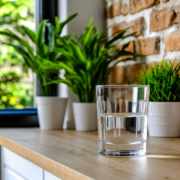
A glass of clear water resting on a modern kitchen counter

Conscious Consumerism: Choosing Filtration for Family Wellness

Key Takeaway:

Conscious consumer water filtration means choosing water solutions intentionally—based on your family’s wellness goals and your environmental values. The smartest first step is professional water testing, which helps you select a system that improves comfort, reduces waste, and supports long-term sustainability. When filtration is tailored to your home’s real water conditions, families often see meaningful improvements in daily living while also cutting back on single-use plastic and unnecessary upgrades.

Empowering Families Through Conscious Water Choices

More families are paying closer attention to what enters their homes—especially what they drink, cook with, and bathe in. That shift has helped popularize conscious consumer water filtration, an approach focused on making informed, value-aligned choices instead of buying the first filter that looks appealing. For wellness-minded households, filtration isn’t just about “clean water.” It’s about supporting routines that feel healthier, easier, and more consistent.

This is where family wellness water comes in. Water affects daily life in small but noticeable ways—how soap rinses, how laundry feels, how dishes dry, and whether your family reaches for another glass without hesitation. Many households also view filtration as a practical sustainability measure: improving tap water quality can reduce reliance on bottled water and the associated waste.

In this guide, we’ll break down what conscious filtration looks like in real life, why testing matters, how to compare whole-house vs. point-of-use solutions, and what questions thoughtful homeowners ask before installing a system.

Why Water Filtration Appeals to the Mindful Modern Family

Wellness is no longer limited to food and fitness. Families now connect wellness to everyday home systems—air quality, cleaning products, and especially water. Filtration can help reduce common irritants like chlorine taste and odor, sediment, or other issues that affect comfort and confidence at the tap.

For parents focused on family wellness water, consistency is a big part of the appeal. When water quality varies (or when scale builds up, or fixtures stain more easily), daily routines become more frustrating. A well-matched system can improve the “feel” of water throughout the home, help appliances run cleaner, and make chores like washing dishes and laundry feel less like a battle.

Families exploring options often start with education and household goals. Helpful background resources like clean water practices for families can clarify what filtration can (and can’t) do—especially when your priorities include both wellness and sustainability.

The Role of Sustainable Hydration in Eco-Conscious Households

Eco-minded households often aim to reduce single-use plastics without sacrificing convenience. That’s where sustainable hydration becomes practical: instead of buying cases of bottled water, families invest in reliable filtration that improves drinking water quality at home. The result is fewer bottles, fewer recycling headaches, and a smaller footprint.

Conscious consumerism also means choosing solutions that reduce waste over time—systems with appropriate capacity, long-lasting media, and maintenance schedules that match real usage (not guesswork). Some families also value companies that support environmental stewardship, such as efforts highlighted through national forest conservation initiatives.

When filtration supports both comfort and sustainability, it becomes less of a “product” and more of a daily habit that aligns with how your family wants to live.

Key Facts About Conscious Consumer Water Filtration

  • Many families begin with a professional water test to understand what’s actually in their water before choosing a system.
  • Whole-house systems treat water at the point of entry and can improve bathing, laundry, and appliance performance—learn more in this whole-house filtration overview.
  • Point-of-use systems focus on specific faucets (often kitchen sinks) and are useful when drinking/cooking water is the top priority.
  • Reducing bottled water consumption is one of the biggest sustainability wins for many households, supporting sustainable hydration with fewer single-use plastics.
  • Real-world outcomes vary, but many families describe noticeable differences in comfort and convenience in customer testimonials.
  • Because water profiles differ by region, localized insights (like regional water testing data) help explain why customization matters.
  • There is no one-size-fits-all system—household size, plumbing layout, and water chemistry should drive the recommendation.

Understanding What’s Really in Your Water

If conscious filtration has one “non-negotiable,” it’s this: test first. Water can look clear and still carry issues that affect taste, odor, scaling, or long-term appliance performance. Water quality also varies by neighborhood and season, influenced by water sources, treatment methods, and aging plumbing.

That’s why professional water testing is a smart foundation. Testing helps you avoid overbuying, under-treating, or choosing equipment that doesn’t match your actual goals. It also helps clarify whether your needs are primarily aesthetic (taste/odor), comfort-related (hardness), or related to specific contaminants.

For wellness-forward households, testing turns a vague “we want better water” into a clear plan that can be sized and maintained responsibly.

Whole-House vs. Point-of-Use: Choosing What Fits Your Lifestyle

After testing, the next decision is where to treat the water.

  • Whole-house (point-of-entry) filtration treats water as it enters your home—supporting every sink, shower, and appliance.
  • Point-of-use filtration targets specific fixtures (often under-sink systems for drinking and cooking water).

Whole-house systems can be a strong fit for families who want consistent water quality throughout the home—especially for bathing, laundry, and protecting appliances. Point-of-use systems are often ideal when the main priority is drinking water quality without treating the entire supply.

For a deeper comparison of home-wide approaches, this guide to whole-house water filtration can help clarify what different system types are designed to address.

Real People, Real Results: What Families Often Notice

Results depend on your water profile, but households that install properly matched filtration often report improvements that show up in everyday routines:

  • Better taste and fewer odors at the tap
  • Less buildup on fixtures and shower doors
  • Smoother-feeling water for bathing and handwashing
  • Cleaner laundry and less soap usage in some cases
  • Reduced reliance on bottled water for daily hydration

Many families share these “small wins” in testimonials, emphasizing that the biggest value often comes from consistency—knowing what to expect every day, at every faucet.

FAQs About Conscious Consumer Water Filtration

These are common questions families ask when choosing filtration solutions that align with wellness and sustainability goals.

What’s the best first step before choosing a filtration system?

Start with water testing. A professional test identifies what’s in your water so you can choose a system that treats real needs instead of guessing. Testing is the foundation of truly conscious consumer water filtration.

Do salt-free systems soften water?

Salt-free systems are typically conditioners, not true softeners. They may reduce visible scale, but they do not remove hardness minerals the way traditional ion-exchange softeners do.

Is whole-house filtration better than a pitcher filter?

It depends on your goals. Pitcher filters can improve taste for drinking water, but they don’t protect appliances or improve bath and laundry water. Whole-house systems support water quality across the entire home.

How does filtration support sustainability?

Reliable filtration can reduce bottled water use, cutting down on single-use plastic and transportation emissions. Choosing appropriately sized systems also helps reduce waste from unnecessary replacements or overbuilt equipment.

Why is professional guidance important?

Water chemistry, home plumbing, and household size all impact system performance. A professional helps ensure your solution fits your actual water conditions—because there’s no one-size-fits-all setup.

Wellness Without Assumptions: Why Custom Solutions Matter

Conscious filtration is about avoiding assumptions. A system that’s perfect for one household may be unnecessary—or insufficient—for another. Testing, goal-setting, and proper sizing keep your solution efficient, sustainable, and genuinely helpful for daily life.

If you’re exploring options, reviewing available product configurations can help you understand how different technologies address different needs. The goal isn’t “more filtration.” The goal is the right filtration for your family’s wellness priorities and environmental values.

Take the Next Step Toward Smarter Filtration

If you want water that supports your family’s routines and your sustainability goals, begin with clarity. Start with a professional test, define what matters most (taste, comfort, appliance protection, environmental impact), and build a solution that fits your home—not a generic template.

To get started, visit The Source H2O contact page and connect with a specialist who can help you interpret your results and choose a system designed around your household’s real needs.

Further Reading

Denver, Colorado skyline representing local tap water quality and water testing for family water safety

What’s Really in Your Colorado Tap Water? 2026 Family Testing Guide

Key Takeaway

Knowing what’s actually in your tap water is the fastest path to confident decisions. Colorado water quality can vary by source water, geology, seasonal runoff, and infrastructure age. Professional water testing helps your family identify which drinking water contaminants are present and then choose the right steps — whether that’s reassurance, targeted filtration, or ongoing monitoring.

At The Source H2O, we’re hearing more Colorado and Phoenix-area families ask the reasonable question: “What’s really in our tap water?” Water quality can differ not just by city, but often by neighborhood and even by street. The most reliable way to know your water is to pair publicly reported data with professional water testing and plain-language guidance.

This 2026 family guide helps you understand common drinking water contaminants, how they can show up in Colorado and Arizona water systems, and what practical steps support family water safety. When you’re ready to skip the guesswork, you can also book a free water test with our team and get clear results for your home.

Quick Facts: Colorado Tap Water & Family Water Safety

  • “Safe” doesn’t always mean “nothing is present.” Public systems can comply with health standards while still reporting low levels of certain contaminants. Reviewing your annual Consumer Confidence Report (CCR) helps you understand system-wide results, and testing at the home level reveals your household reality. EPA CCR Rule background.
  • Nitrate, arsenic, and disinfection byproducts are frequently discussed nationwide and can show up depending on source water and treatment approach. These arise from natural geology, fertilizers, and disinfection reactions that EPA and CDC track. (See authoritative sources below.)
  • PFAS (“forever chemicals”) monitoring is expanding. Colorado publishes PFAS monitoring updates through the Colorado Department of Public Health and Environment, and these compounds can persist in the environment for years.
  • Home plumbing matters. Even excellent city water can change after traveling through older service lines or household pipes — especially where corrosion conditions exist. Lead and copper exposure is often a plumbing issue, not a source water issue.

Why can Colorado and Phoenix Metro tap water quality feel different from one neighborhood to the next?

Tap water quality can vary because water may come from different sources — snowmelt-fed surface water, rivers, reservoirs, or groundwater — and travel through different infrastructure before reaching your tap. Two homes on the same system can experience different taste, hardness, chlorine “bite”, or sediment, even when both meet regulatory requirements.

Colorado’s unique geology also plays a role. Water moving through mineral-rich formations can pick up naturally occurring substances (like metals), while agriculture and urban runoff introduce other compounds. In Arizona, desert aquifers and river diversions influence chemistry differently. Inside the home, service lines, plumbing materials, water heaters, and fixture age can all affect what you experience at the faucet.

That’s why we emphasize professional water testing in Colorado and nearby regions as the starting point — not to alarm you, but to replace uncertainty with data so you can make informed choices.

What drinking water contaminants are commonly reported in Colorado tap water?

Publicly reported water quality databases help families see what has been detected in specific systems over time. For example, the Environmental Working Group’s tap water profiles show reported contaminant detections in local systems:

Commonly discussed contaminants in Colorado (and in many U.S. systems) include nitrate, arsenic, disinfection byproducts, and trace lead/copper from plumbing — but the specific mix and levels vary by system and household. That’s why system data plus home testing gives the most complete view of what’s coming out of your tap.

Nitrates

Nitrate can enter water through agricultural runoff, septic influence, and other land-use factors, especially where groundwater plays a role. Nitrate exposure is of special concern for infants because it can interfere with oxygen transport in blood, which is why the EPA specifically addresses nitrate risks for sensitive populations. Why nitrate contamination is a concern.

Arsenic

Arsenic may occur naturally depending on local geology. Many Colorado families are surprised that water interacting with mineral layers can pick up trace arsenic even when the system meets health standards. A professional test gives you a clear number and helps determine whether treatment is appropriate.

Disinfection Byproducts

When disinfectants like chlorine are used to control microbial contaminants, they can react with organic matter in source water to form disinfection byproducts. While disinfection protects public health from bacteria and pathogens, formation of byproducts is an unavoidable tradeoff that the CDC tracks and explains. About water disinfection with chlorine and chloramine.

Lead and Copper in Tap Water

Lead and copper exposure in drinking water is usually tied to corrosion of plumbing materials — not to source water quality itself. Two homes on the same municipal system can have very different results depending on their internal plumbing and service lines. The EPA provides clear information about these risks and how they relate to household conditions. Basic information about lead in drinking water.

Where we see water quality questions most often

We work with families throughout the Denver Metro area, Phoenix Metro area, the Front Range (including Southern Wyoming), and surrounding communities such as Denver, Aurora, Colorado Springs, Fort Collins, Castle Rock, Pueblo, Chandler, Gilbert, and Glendale. No matter where you’re located, the most reliable first step is the same: start with home-level testing so you’re working from real data.

How to Get Your Water Tested in Colorado (and Nearby Areas)

The first step in understanding your household water quality is deciding where and when to sample. A professional water test can be done at the point of entry (to see what’s coming into your home) or at the point of use (like your kitchen sink) — each tells you something slightly different. Choosing the right scope depends on your goals: whole-home solutions or drinking water quality.

We recommend testing when you notice any change in taste, odor, clarity, or after major municipal maintenance, seasonal runoff, or plumbing work. Homes with older plumbing or private wells benefit from more frequent professional testing.

Book a free water test to get started with a baseline assessment, and our technicians will help you interpret your results in clear language.

What do PFAS and “forever chemicals” mean for family water safety in Colorado?

PFAS (per- and polyfluoroalkyl substances) are persistent synthetic chemicals that can accumulate in the environment and, in some areas, appear in drinking water sources. Colorado tracks PFAS monitoring and publishes updates through the Colorado Department of Public Health and Environment. The presence (or absence) of PFAS can be highly location-dependent and is sometimes associated with historical industrial activity, firefighting foam use, or nearby facilities.

Colorado’s PFAS resource page explains what the state is monitoring and why it matters: PFAS and drinking water in Colorado. Many homeowners simply want a practical answer: Do we have PFAS in our water, and if so, what can we do?

That’s where professional water testing becomes essential. Most basic test strips do not screen for PFAS, and accurate PFAS analysis requires specialized methods. If PFAS is detected, treatment options can be selected based on the results so you’re addressing a real need—not guessing.

Want to know what’s in your home’s water?

The fastest way to get clear answers is with a simple baseline test. It shows what’s actually coming from your tap so you can decide, with confidence, whether anything needs attention. Book a free water test and we’ll walk you through the results in plain language.

How do Consumer Confidence Reports (CCRs) and public reports help you understand your city’s water?

Your annual Consumer Confidence Report (CCR) summarizes where your water comes from, what contaminants were tested, and how results compare to regulatory limits. The EPA periodically updates CCR requirements to improve transparency and readability for consumers. EPA Consumer Confidence Report rule revisions.

CCRs provide a system-level snapshot, but they cannot account for what happens inside your service line and household plumbing. That’s why we recommend using your CCR as a reference point and confirming your home’s actual water quality with professional testing.

What can we learn from Colorado Springs water system scrutiny and improvements?

Colorado Springs has been a reminder of why transparency, enforcement, and infrastructure investment matter. The EPA has published information related to enforcement actions and settlement agreements involving Colorado Springs that highlight how oversight and system upgrades can protect waterways and strengthen compliance. Colorado Springs settlement information sheet (EPA).

For families, the takeaway is simple: community systems can improve over time, but your home still benefits from personal verification. Even when systems meet standards, household plumbing and local conditions can influence what reaches your tap.

Why there’s no one-size-fits-all water treatment system for Colorado homes

There is no universal “best” system because the right solution depends on what your water test shows and what you want to improve. A family dealing with hardness and scale may need a different approach than a family focused on taste, odor, disinfection byproducts, or PFAS concerns.

We also see confusion around softening versus conditioning. Hardness minerals (calcium and magnesium) mainly affect comfort and maintenance, while contaminants such as lead or PFAS relate to safety and quality. Some homes benefit from combining conditioning and filtration, while others only need one targeted change—or none at all beyond monitoring.

After testing, our team can walk you through practical next steps using our water treatment services and recommendations that fit your goals and budget.

How does protecting your home’s water connect to community sustainability in Colorado?

Household water choices and community water goals are connected. When families maintain efficient systems, reduce unnecessary waste, and stay informed about local watersheds, they support the long-term health of shared water resources.

Colorado Springs’ For Clean Waterways initiative is one example of how cities encourage residents to reduce runoff pollution and protect local waterways.

Colorado Water Testing FAQ

When families reach out to us, they’re not looking for scare tactics—they’re looking for clear, practical answers. Below are the most common questions we hear about water testing in Colorado, drinking water contaminants, and everyday family water safety.

How often should our family get our water tested?

Annual testing is a practical baseline for most families. Test sooner if you notice changes in taste, odor, staining, or clarity, or if your home has older plumbing. Private well homes should test more frequently. Starting with professional water testing gives you a clear baseline.

Is Colorado tap water safe to drink without treatment?

Many Colorado systems meet regulatory standards, but household plumbing can still influence what reaches your faucet. A home-specific water test is the best way to understand what your family is actually drinking.

Can water quality vary within the same city?

Yes. Different pipes, service lines, and plumbing materials can create neighborhood-level variation even within the same system.

What’s the difference between hard water and unsafe water?

Hard water is a mineral issue affecting comfort and appliances, while unsafe water involves contaminants that may pose health concerns.

Do we need both a filter and a softener?

Some homes benefit from both, but testing first ensures you choose only what your water actually needs.

Can we test our water ourselves?

Basic kits can help with quick checks, but professional testing provides a more complete picture.

Make informed water choices for your family and home

Colorado families deserve real confidence in the water they drink, cook with, and bathe in every day. At The Source H2O, we’ve seen time and again that the best results come from a simple process: understand your system-level information, confirm what’s actually happening at your tap, and then make thoughtful, right-sized improvements based on real data.

If you’re in Denver, Aurora, Castle Rock, Colorado Springs, Fort Collins, Pueblo, or anywhere across the Front Range or Phoenix Metro area, the smartest first step is the same—start with a professional baseline test so you’re not guessing.

Ready to find out what’s really in your home’s water and what (if anything) should be improved?

Book My Free Water Test

Further Reading & References