When Cold Bites, Pipes Fight Back: Winter Water Quality and the Hidden Contaminants You Don’t See
Winter conditions can loosen mineral scale and disturb protective pipe layers, allowing lead or other metals to enter household water. Regular professional testing reveals these hidden contaminants and guides appropriate treatment choices. Testing first ensures that any filtration or conditioning system is properly matched to your home’s real winter water challenges.
Why Winter Water Quality Deserves Fresh Attention
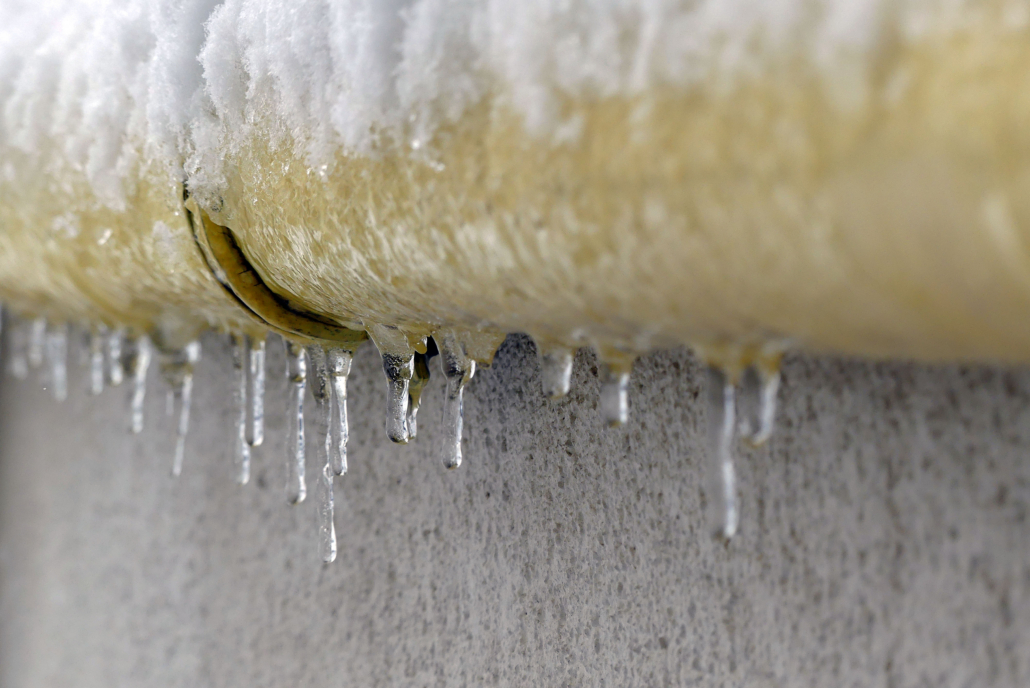
Winter doesn’t just change the air outside—it can change what happens inside your plumbing. When temperatures drop, pipes and fittings contract. When they warm again, they expand. Those freeze–thaw shifts, paired with pressure swings in local water systems, can loosen mineral scale, rust, and other buildup that’s been sitting quietly inside plumbing for years.
That matters because the water leaving a utility or well source can be treated and compliant, yet still pick up particles and metals as it travels through service lines and household pipes. In winter, that “last stretch” of the journey can become more active. Protective scale layers may flake, sediment can stir up, and in older plumbing materials, trace metals like lead can show up at the tap—sometimes without obvious warning signs.
Pure water doesn’t exist in nature. Water always carries minerals and other substances from its source and from whatever it flows through. If you want to make confident treatment decisions, start with the fundamentals: learn what’s in your water now, then choose solutions that match your home’s real conditions. If you’re building your baseline knowledge, these water education resources are a helpful starting point.
How Cold Weather Can Disturb “Protective” Pipe Layers
Many older metal pipes develop a thin internal layer of mineral scale over time. In some situations, that layer can act like a barrier, reducing direct contact between water and the pipe material. Winter stress can disrupt that layer. As pipes shift through cold nights and warmer afternoons, tiny movements at joints and fittings may break loose bits of scale and send them downstream.
Pressure changes can make this worse. Hydrant use, main breaks, sudden valve closures, or repair work during winter can create short bursts of turbulence that dislodge settled particles. If a home has older components—lead service lines, lead solder, or some older brass fixtures—those disturbances may increase the chance that metals appear at the tap. This is one reason lead concerns can show up “seasonally.” even when the source water looks fine.
Water chemistry also plays a role. pH, alkalinity, and disinfectant type can influence how stable these pipe layers remain. Stagnant water sitting overnight (or during a vacation) can increase contact time with plumbing materials, which may raise the likelihood of metal leaching in certain conditions. Because these factors vary house to house, there’s never a one-size-fits-all fix—testing is the smart first move.
Winter Events That Can Change What Comes Out of the Tap
Some winter water quality shifts happen slowly, while others happen after a specific event. Homeowners often notice changes after:
- A freeze or partial freeze that affects interior plumbing or exterior-facing runs
- Neighborhood main breaks and subsequent repairs
- Hydrant flushing or water system maintenance near your street
- Sudden pressure drops that cause sediment to move through service lines
These events can lead to cloudy water, small particles, or discoloration. That doesn’t automatically mean the water is unsafe—but it does mean it’s worth verifying what changed. If you’re seeing odd color or grit, avoid guessing. Get data first, then decide what (if anything) needs to change.
Testing First: The Only Way to Treat the Right Problem
If winter stirs up hidden contaminants, the solution isn’t automatically “buy a filter.” The solution is: test → interpret → treat based on results. That approach prevents wasted money on the wrong equipment and helps ensure any system you install is sized and selected for your actual water conditions.
A professional test can help you understand factors such as:
- Metals (lead, copper, iron, manganese)
- Hardness minerals (calcium, magnesium)
- Sediment and turbidity (particles that affect clarity and filters)
- pH/alkalinity (how corrosive or scale-forming water may be)
- Disinfectant residuals (chlorine/chloramine, if applicable)
If you’re ready to start with facts, professional water testing gives you a clear baseline. From there, you can choose treatment that matches your goals—whether that’s improving drinking water protection, reducing winter sediment, or improving whole-home comfort.
POU vs. POE: Where Protection Matters Most
Two common strategies are point-of-use (POU) and point-of-entry (POE) treatment. They solve different problems:
Point-of-Use: Protect drinking and cooking water
POU systems treat water right where you consume it—typically at the kitchen sink. This approach is ideal for concerns like lead or other dissolved contaminants that you want to reduce for drinking, cooking, and ice.
Point-of-Entry: Improve water for the whole home
POE systems treat water as it enters the house, which can help with sediment, chlorine-related taste/odor, and overall water experience in showers, laundry, and appliances. Many households use POE to protect plumbing and improve comfort, then add POU for targeted drinking water protection.
If you’re deciding between setups, it helps to review whole-house filtration details and compare those benefits to under-sink protection where it matters most.
Hardness vs. Safety: Different Goals, Different Tools
It’s important to separate safety concerns from comfort and efficiency concerns. Hard water (calcium and magnesium) is not typically a safety issue, and it doesn’t necessarily change taste or odor. But it can create scale on fixtures and inside water-using appliances, lowering efficiency over time.
If your winter issues are mainly about cloudy water or particles after repairs, a sediment-focused approach may help. If your test shows high hardness that’s affecting appliances and cleaning, softening or conditioning may be appropriate. If your concern is lead at the tap, prioritize certified drinking-water filtration where you consume water most.
Certification, Sizing, and Maintenance: The Details That Make Systems Work
Even the best system can underperform if it’s the wrong size, installed incorrectly, or poorly maintained. Winter is when those weak points show up—especially if sediment loads increase after a main break or freeze.
- Choose certified components that match the contaminants you need to reduce.
- Size systems correctly for household flow rate, usage, and water chemistry.
- Maintain on schedule (filters, cartridges, softener salt levels, periodic checks).
If you want help selecting and maintaining the right setup, professional installation and service keeps performance consistent—especially during seasonal swings.
What To Do After a Freeze, Main Break, or Discoloration Event
If you suspect winter disruption, take these practical steps:
- Flush cold water for several minutes at a lower-level faucet first, then work upward.
- Clean aerators if you see grit or reduced flow (sediment often collects there).
- Check filters and replace if flow drops or cartridges load up quickly.
- Test your water to confirm whether metals, sediment, or chemistry shifted after the event.
Flushing can improve clarity, but it doesn’t replace testing—especially if you’re concerned about lead or metal release in older plumbing.
FAQs: Winter Water Quality and Hidden Contaminants
Can winter increase lead levels at the tap?
It can. Freeze–thaw movement and pressure swings may loosen internal pipe scale and disturb older materials, which can increase the chance of lead or other metals appearing at the tap—particularly in homes with older plumbing or fixtures.
How often should I test my water during winter?
A good rule is to test after major events (freeze, thaw, main break, or repairs). Many homeowners also test seasonally to compare winter results to spring or summer baselines.
Is cloudy or discolored water always unsafe?
Not always. Discoloration can come from stirred sediment or iron/rust particles. But because appearance alone can’t confirm what changed, testing is the safest way to understand whether your water needs targeted treatment.
Should I use point-of-entry or point-of-use filtration?
If your goal is drinking and cooking protection (especially for lead), point-of-use is often the priority. If your goal is whole-home comfort and reducing sediment/chlorine impacts across showers and appliances, point-of-entry is a strong option. Many homes combine both for the best coverage.
Does hard water become “more dangerous” in winter?
Hard water is generally a comfort/efficiency issue rather than a safety issue. Winter can change how scale behaves in pipes, which can impact performance—but hardness itself isn’t typically the same type of concern as metals like lead.
Better Water Starts With Knowing What’s Really in Yours
Winter can reveal what your plumbing has been holding onto. When cold weather shakes loose sediment or disrupts protective pipe layers, the changes can be invisible—or they can show up as cloudy water, particles, or fluctuating performance. Either way, the smartest path is the same: Get clear test results, then choose a treatment that matches what your home actually needs.
If you’re ready to replace guesswork with clarity, start with testing and expert interpretation. When you build a plan around real data, your filtration or conditioning choices become simpler, more effective, and easier to maintain through every season.
Start Here: Test First, Treat Smart, Maintain Well
Want confidence in your winter water quality? Request a seasonal test and build a treatment plan that fits your plumbing, your water chemistry, and your household goals. You can explore what other homeowners say about their experience on the testimonials page, then take the next step by requesting winter water testing.
Further Reading |

