Fraud Blocker

Reverse Osmosis Systems

Cleaner, Better-Tasting Drinking Water

Reverse osmosis (RO) systems are designed to support improved taste and clarity for drinking and cooking water. Typically installed at a specific point of use, such as the kitchen sink, these systems focus on reducing a wide range of dissolved substances based on what your water may contain.

Better Living Through Better Water
is Just a Drop Away.
Talk to A Water Expert Today.

Better Living Through Better Water
is Just a Drop Away.
Talk to A Water Expert Today.

What We Do

Water Solutions

Service & Support

Common Water Problems

related Products

What Is a Reverse Osmosis System?

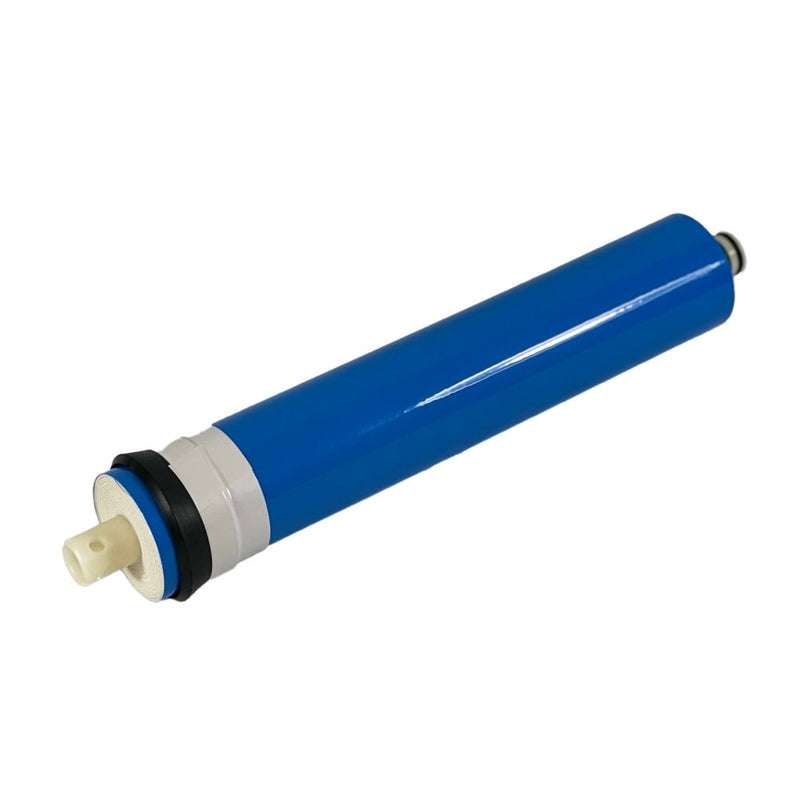
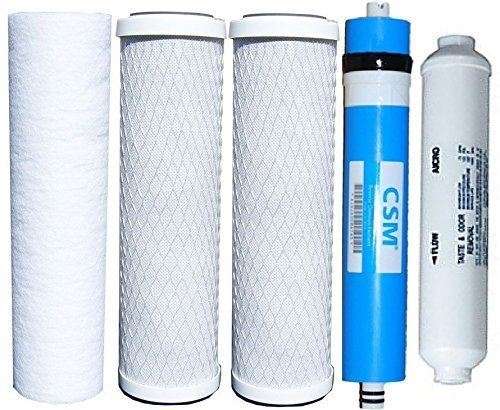
Reverse osmosis is a multi-stage filtration process that uses a semi-permeable membrane to help reduce dissolved minerals, salts, and other substances from water. The process separates these dissolved particles from the water, allowing cleaner, better-tasting water to pass through for drinking and cooking. Because water quality can vary by location, source, and plumbing, RO systems are selected and configured based on testing results and how water is used in the home or facility.

How Reverse Osmosis Can Help

RO systems are commonly used to support:

Improved taste and clarity of drinking and cooking water

Reduction of dissolved solids that may affect flavor

Consistent water quality at a dedicated point of use

Support for coffee, tea, ice, and beverage preparation

An added layer of filtration alongside whole-home systems

Why Choose The Source H2O for Reverse Osmosis

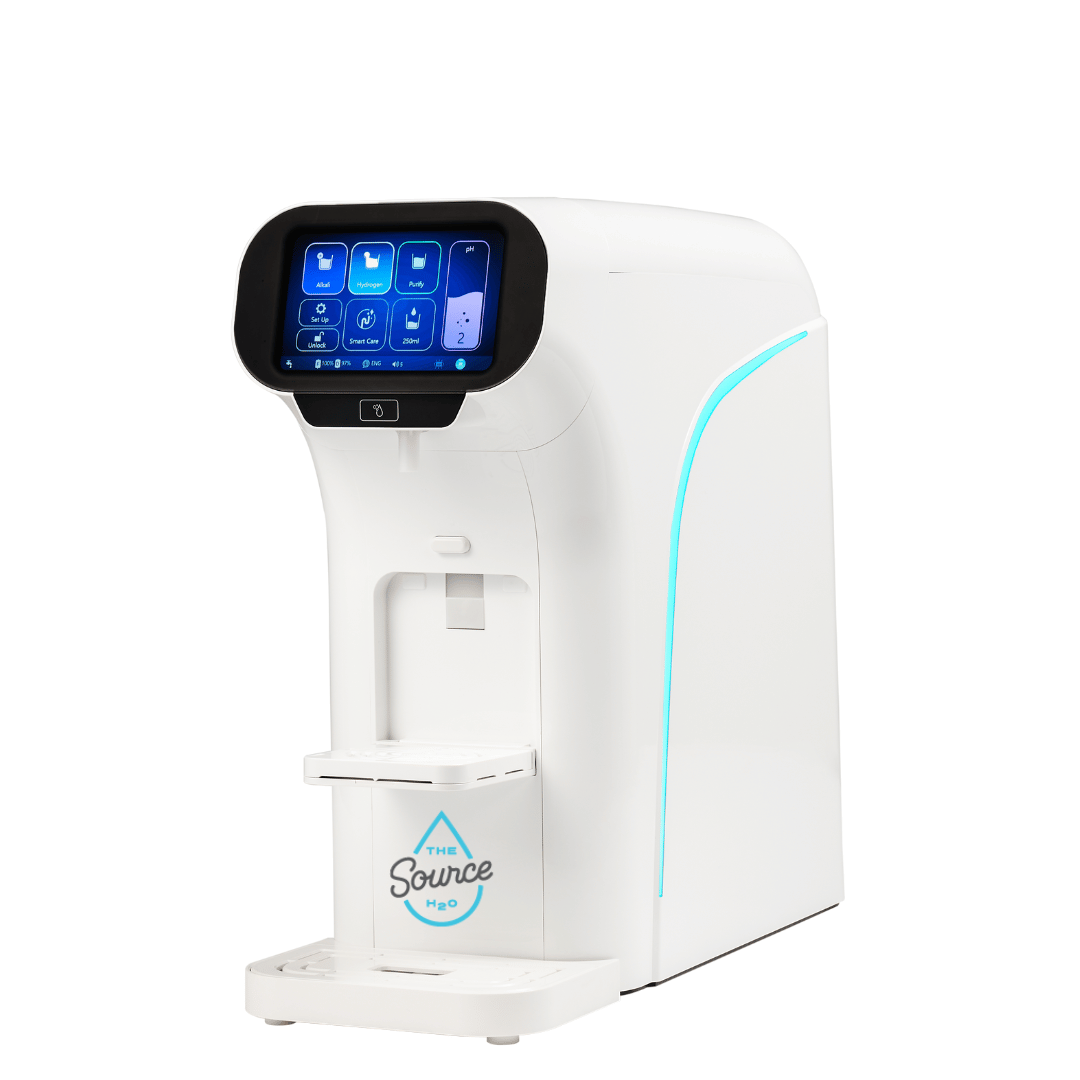
Our RO systems are designed and manufactured in-house, allowing solutions to be built around testing results, proper sizing, and real-world use.

In-house system design and manufacturing

Testing-first, education-driven system selection

Point-of-use solutions tailored to your water conditions

Proper sizing based on household or facility demand

Customer-focused support before and after installation

Frequently Asked Questions

Where are reverse osmosis systems typically installed?
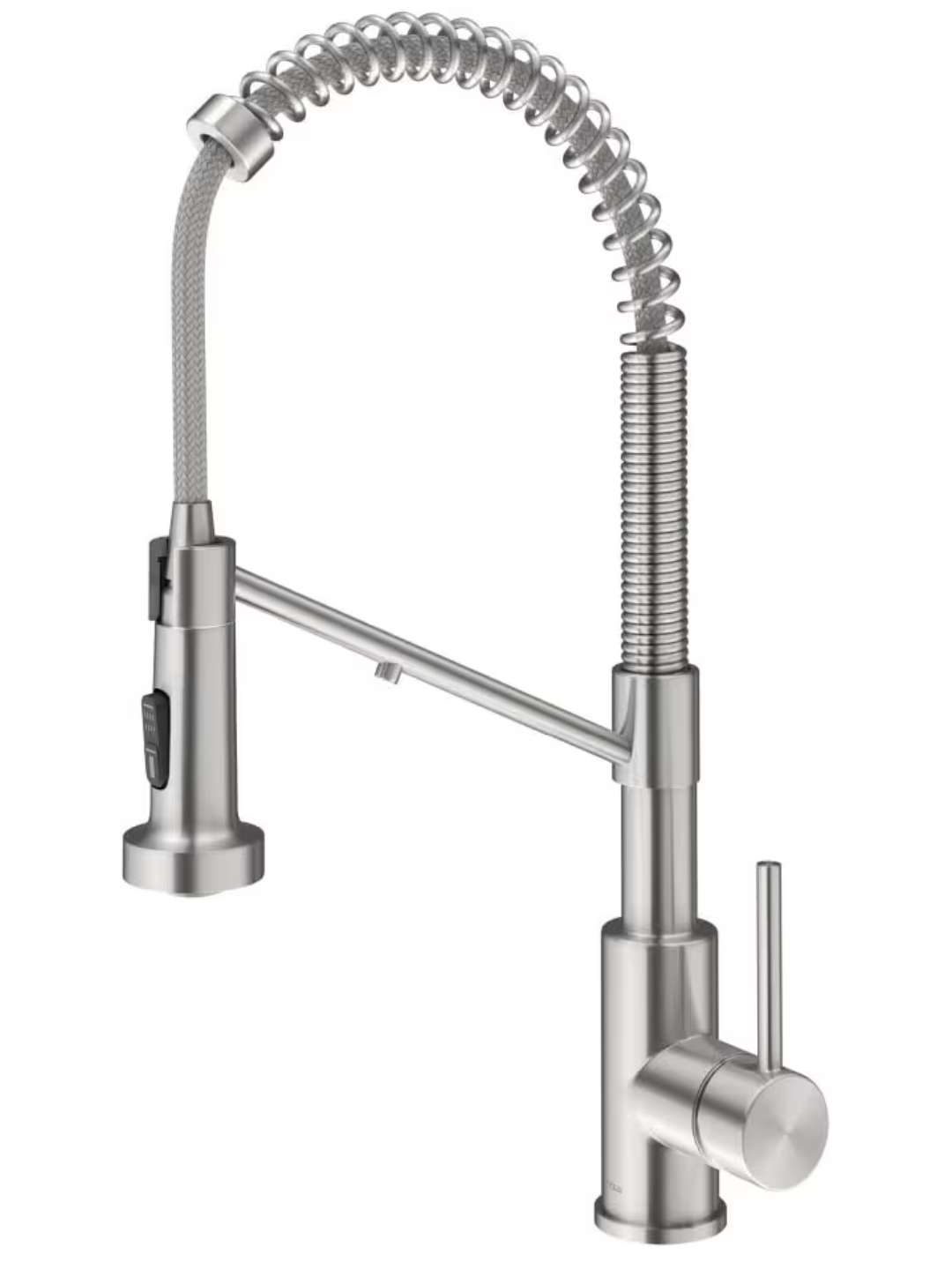
RO systems are usually installed at a point of use, such as the kitchen sink, to treat water used for drinking and cooking.
Yes. Testing helps identify what your water may contain and supports proper system selection and sizing.
Yes. RO systems can be used with both sources, with configuration based on testing results.
No. RO is typically a point-of-use system focused on drinking water, while whole-home systems treat water as it enters the property.
No. Proper selection and sizing depend on water quality, usage, and flow requirements.

Ready to Explore Reverse Osmosis
for Your Home or Business?

Better drinking water starts with understanding what your water may contain and choosing a system designed around your needs.